How Mixed Media Designs Can Transform Your Brand’s Visual Identity

In a world teeming with visual noise, making your brand stick in people’s minds demands more than just sharp logos or catchy colors. At Nine Lives Creative, we’ve seen firsthand how mixed media design—layering photography, digital illustration, hand-drawn elements, bold typography, and real-world textures—can act as a dynamic catalyst for a brand’s visual identity. This isn’t just about combining mediums for the sake of variety; it’s about crafting visual storytelling that’s impossible to ignore and intentionally unique to you. Let’s explore how mixed media can revitalize your brand’s personality—and how you can harness its power for real-world impact.

Why Mixed Media Matters in Modern Branding
Most brands struggle with the same challenge: how do you genuinely differentiate yourself in a glance? Purely digital or traditional branding methods can feel sterile or impersonal. By deliberately mixing media—think gritty spray paint textures behind slick digital icons, or hand-drawn sketches weaving through crisp packaging—you build a richer visual vocabulary that not only grabs attention but invites emotional connection. Here are some immediate advantages:
- Memorability: Distinct layers and textures make your identity harder to forget, standing out on both shelves and feeds.
- Emotional Storytelling: Crafted imperfections evoke authenticity and warmth, creating connections that feel more human.
- Flexible Adaptation: Mixed media shines across physical, digital, and environmental touchpoints—think mural work, social ads, product packaging, and more.
- Sense of Discovery: Multilayered visuals encourage people to pause and look closer, turning your brand into a conversation piece.
How We Approach Mixed Media at Nine Lives Creative
We believe in bold, rebellious creativity—but with strategy and purpose. Our mixed media projects start with your story, then translate brand values into tangible materials, unexpected color palettes, and unique typographic treatments. Here’s what sets our approach apart:
- Hands-On & Digital Integration: We love starting with pencil, paint, or ink—then digitizing and fusing these authentic textures with sharp modern design.
- Mural-First Mindset: For physical spaces, murals and hand-painted elements are intentionally woven into the broader brand system. Walls become both art and identity.
- Context-Driven Choices: Each media layer is selected for a reason—whether to evoke nostalgia, spark rebellion, or simply distinguish you in a crowded category.

The Building Blocks of Impactful Mixed Media Branding
What should you be thinking about when designing with mixed media? Below we’ve outlined some key considerations that shape memorable and functional brand identities.
1. Story First, Always
Your visual look should channel the core of your brand. Is your brand playful? Incorporate hand-drawn doodles or collage-style overlays. Crave a sense of rugged authenticity? Use scanned textural elements like torn paper, brushstrokes, or concrete backgrounds to add tangible depth. The goal isn’t to layer for the sake of layering, but to reinforce who you are at every touchpoint.
2. Contrasting but Cohesive
The magic of mixed media lies in its contrasts—pairing sharp and soft, vibrant and muted, vintage and contemporary. But cohesion is key. Use a core color palette, recurring motifs, or consistent types of photographic images to tie everything together. This helps avoid the Frankenstein effect where nothing feels related.
3. Consistent Hierarchy
A well-balanced mix doesn’t overwhelm. We typically advise clients to lean approximately 70% on one dominant medium (like illustration or photography) and use the other 30% as accents—think tape overlays, unexpected shadows, or hybrid typography. This layering creates focal points and depth while preserving clarity.

4. Adaptability Across Touchpoints
Mixed media designs should be able to flex across digital platforms (social, web, mobile), print, and environmental spaces (murals, wraps). Consider how each medium responds to scale, lighting, and device screens. For example:
- Murals: Use bold color blocks and textures to catch the eye from a distance, reserving fine details for closer interaction.
- Packaging: Layering real textures can make a product shelf-ready and tactile; foil, embossing, or clear overlays add sophistication.
- Digital: Animated collages and interactive backgrounds draw users in and bring brand stories to life.
5. Thoughtful Guidelines for Longevity
A brand system built on mixed media thrives with clear, flexible guidelines. We help clients create swatch libraries of textures, icon treatments, and brush presets—making consistency manageable even as campaigns evolve.
Examples from Nine Lives Creative: Bringing It All Together
Our favorite projects blend mural art, hand illustration, graphic design, and packaging for a sense of realness no algorithm can replicate. While we don’t use fake case studies or forced numbers, here are some ways we’ve helped local Denver brands and businesses make mixed media work for them:
- Restaurant Rebrands: We’ve layered gritty wall murals with illustrated menus, allowing dining experiences to extend from the street to the table.
- Food Truck Wraps: By combining digital art with photo-real ingredients and playful typography, we’ve made trucks both Instagrammable and immediately recognizable on the road.
- Retail Environments: Augmenting packaging with tactile print finishes and mural installations turns shopping into a memorable exploration of brand personality.
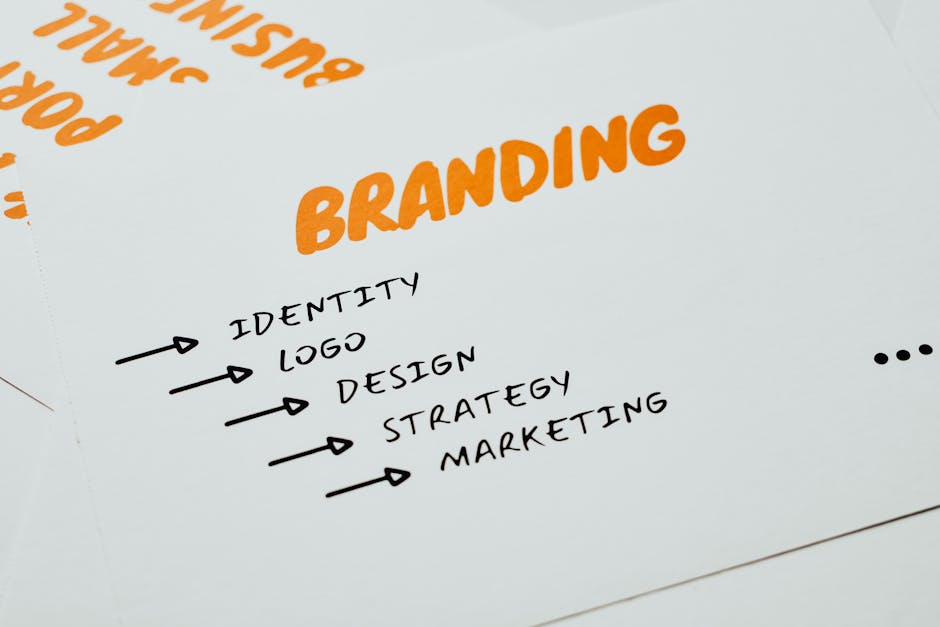
Practical Steps: How to Start Your Mixed Media Branding Journey
Ready to break the grid and put true personality into your brand identity? Here is our step-by-step process to help you dive into mixed media branding with intention and impact:
- Audit Your Brand’s Core: Gather your mission statement, values, and any core differentiators. What emotions do you want to evoke?
- Gather Medium Inspiration: Snap textures, gather favorite murals, collect swatches and digital styles that resonate. Pinterest and mood boards are your friend.
- Prototype Broadly: Let yourself play—mix paint, overlap digital and hand elements, photograph unexpected details. Explore, then edit with focus.
- Test Across Contexts: Print small runs, test digital versions on phones and desktops, and, if possible, prototype a mural or physical package element.
- Develop Repeatable Assets: Once the direction is set, standardize brushes, colors, type treatments, and texture assets for easy, consistent rollout.
- Document & Train: Build a style guide specifically for your mixed media system so it grows with you and can be trusted to outside partners or new internal hires.
Tips for Getting the Most from Mixed Media
- Always start from your brand story or mission for real alignment.
- Be intentional with contrasts—don’t just layer for the sake of chaos.
- Don’t be afraid of imperfection—authentic marks create charm.
- Partner with muralists, illustrators, and designers who can help balance creative expression with brand consistency.
- Iterate and get feedback from both your team and diverse customers. Mixed media should invite new perspectives and engagement.

Final Thoughts: Is Mixed Media Right for Your Brand?
If you crave a brand identity that feels bold, tactile, and unforgettable—one that ties your packaging, digital footprint, and physical spaces into a single creative story—mixed media is your ally. This approach demands some courage, experimentation, and a willingness to be just a little bit rebellious. But the rewards are lasting: deeper connection, broader recognition, and a brand that remains inspiring long after the first glance.
If you’re ready to push boundaries and see what mixed media can do for your business, let’s talk. At Nine Lives Creative, we’re passionate about helping bold brands make their mark, whether you’re a small business owner, art director, or creative collaborator. Explore our portfolio and reach out any time to spark some creative magic—because your identity deserves to be more than ordinary.